Sharks Deserve a Second Look
When most people hear the word “shark,” their minds instantly jump to horror movies, sharp teeth, and breaking news about attacks. Sharks have been typecast as villains for decades. Pop culture paints them as monsters, and headlines make them sound like the ocean’s biggest threat. I’ll admit, I grew up believing that too. Sharks were terrifying. They were something to fear.
This might sound surprising, but sharks do a lot of good for the environment, the economy, and even for human safety. Once you understand their role, it’s impossible to see them the same way again.
But the more I learned, the clearer it became: sharks are not the nightmare we make them out to be. They are not movie monsters. They are guardians of the ocean, and the truth is that we need them far more than they need us.
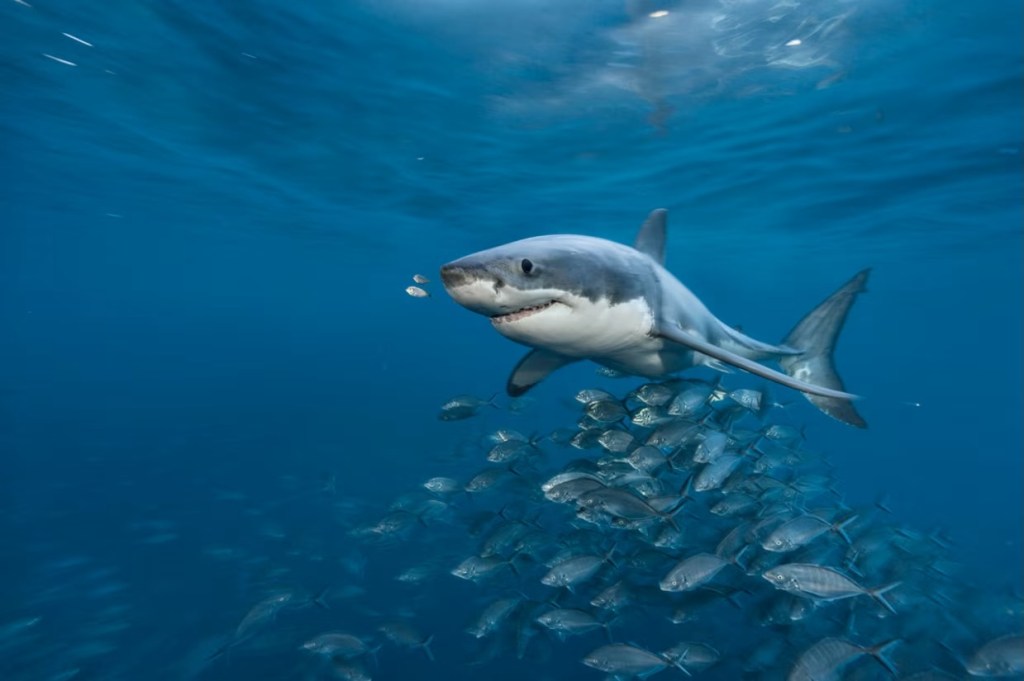
Skerry, Brian J. Great White Shark. National Geographic Image Collection, via National Geographic Kids, http://www.kids.nationalgeographic.com/animals/fish/facts/great-white-shark.
Sharks Keep the Ocean Balanced
Sharks sit at the top of the marine food chain. That position makes them responsible for regulating the species below them. Think of them as ocean managers. Without sharks keeping prey populations under control, the balance of the ocean starts to fall apart.
Here’s an example. In areas where shark populations have dropped, scientists have recorded big changes in coral reefs. Prey species multiply too quickly and overgraze, damaging coral and reducing biodiversity. The result is weaker reefs that struggle to bounce back from storms or disease. And here’s the kicker: healthy reefs don’t just benefit fish. They protect our coastlines, support local fisheries, and even store carbon that helps fight climate change.
Consider the case of the Atlantic coast in the United States. When large shark populations fell due to overfishing, populations of rays skyrocketed. These rays consumed enormous numbers of scallops, collapsing a once-thriving scallop industry in North Carolina.
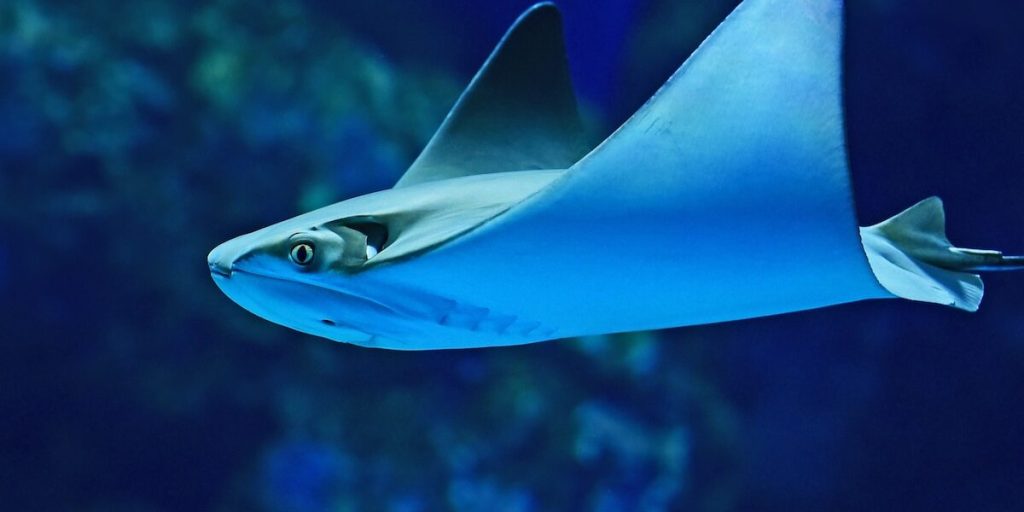
This is a real-world example of what happens when sharks disappear: entire ecosystems, and even industries that rely on them, can collapse. So when shark numbers go down, we don’t just lose predators. We lose healthier reefs, stable fisheries, and coastal protection.
That is a ripple effect no one can afford to ignore. Sharks, by doing what they have always done, hunting, are actually performing a vital service for every other living thing in the ocean and for humans who depend on those systems.
More Than Just Hunters
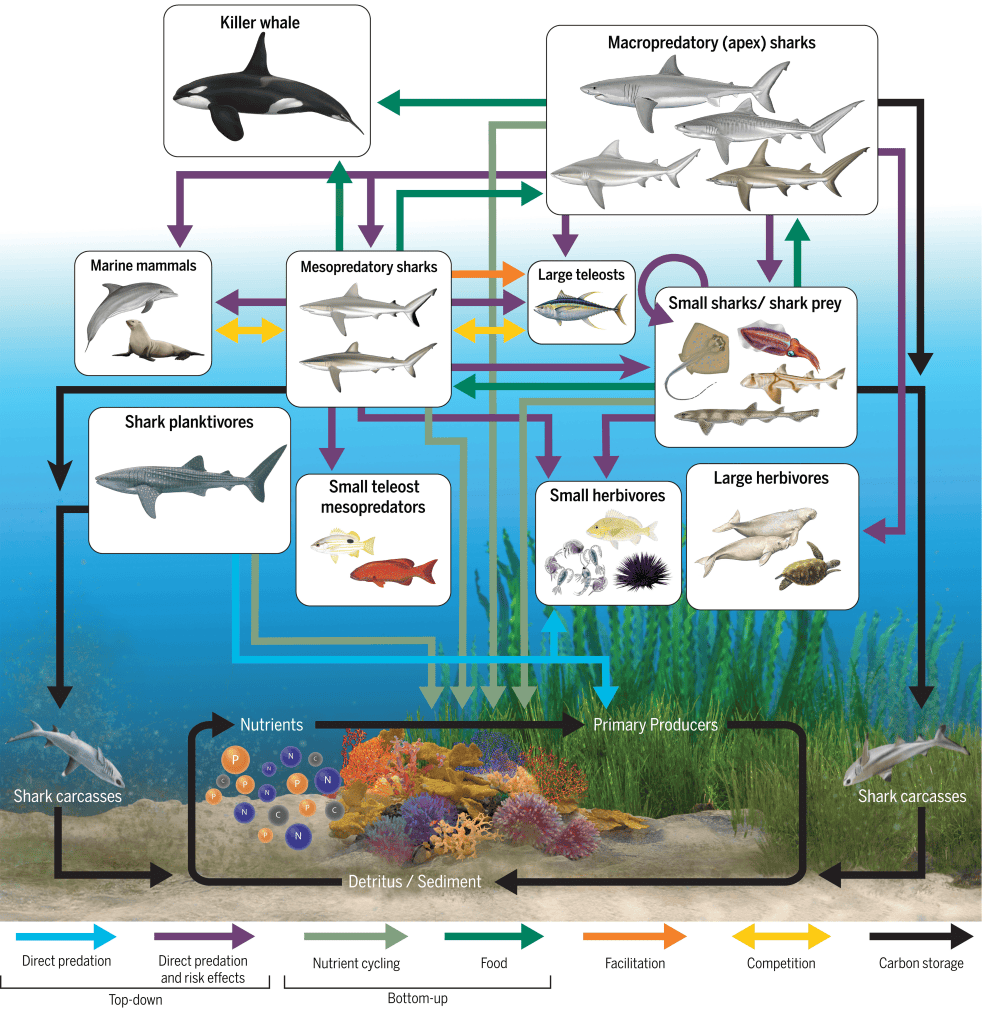
It’s easy to picture sharks only as hunters, but their role in the ocean is much more complex. Different shark species contribute in different ways.
Some act as transporters, moving nutrients from deep waters to shallow coasts. For example, tiger sharks often feed in deeper waters but migrate toward shallower areas, bringing nutrients that feed smaller fish and plankton populations. This nutrient cycling supports biodiversity that might not survive otherwise.
Others improve the genetic health of prey populations by removing sick or weak individuals. That process makes prey species stronger over time. Instead of being destructive, sharks are actually caretakers in disguise. If sharks stopped hunting weak fish, we would see an increase in diseased or genetically weaker populations, which could spread illness more quickly through marine ecosystems.
Marine scientists, including those at NOAA, emphasize this often. Conserving sharks is about protecting the entire ocean system. When sharks thrive, the rest of the marine environment thrives with them. In fact, some marine biologists call sharks “keystone species” because their presence (or absence) has a very outsized impact on the entire ecosystem.
So, the next time you picture a shark, don’t imagine a mindless predator circling in search of a victim. Imagine an ocean guardian doing an important job, keeping the waters clean, healthy, and balanced.
Sharks Are Worth More Alive Than Dead
Here’s where things get even more interesting. Sharks aren’t just valuable for the environment. They are valuable for people too.
Shark tourism has exploded around the world. From cage diving in South Africa to snorkeling tours in the Bahamas, people travel thousands of miles and spend millions of dollars just for the chance to see sharks in their natural habitat. In the Maldives alone, shark tourism is estimated to bring in tens of millions of dollars every year. Compare that to the one-time profit of killing a shark for its fins or meat, and it’s clear: a living shark is worth far more than a dead one.
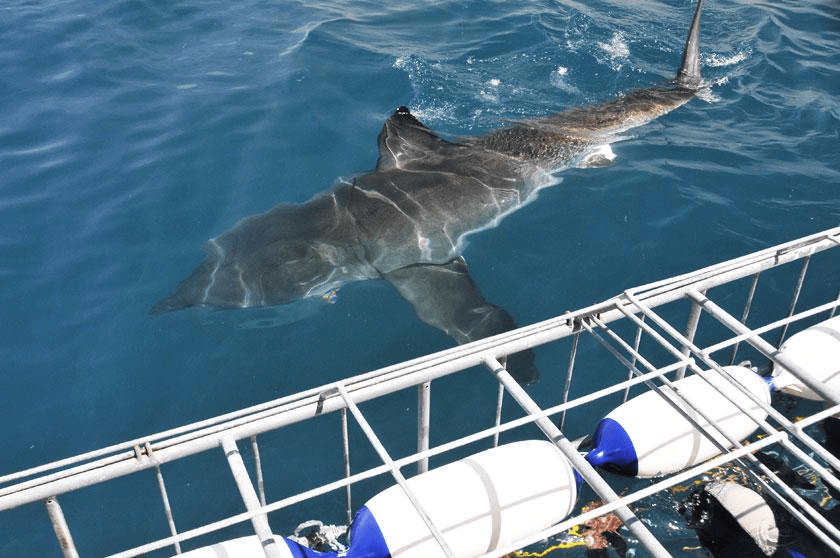
In Fiji, for example, shark diving generates around $40 million annually for the local economy. The Bahamas created a national shark sanctuary in 2011, banning shark fishing altogether. Since then, shark-related tourism has boomed, becoming one of the country’s most important economic resources. This shows how protecting sharks is not just about saving wildlife; it’s about creating sustainable income for communities.
That means protecting sharks is not just good for biodiversity. It is good for jobs and local economies. For many communities, especially in island nations, sharks are a reliable and renewable resource when kept alive. They attract tourists year after year, while killing them only provides short-term gain.
Debunking the Fear of Shark Attacks
Of course, the biggest obstacle in changing how people see sharks is fear. “What about shark attacks?” is the question that always comes up. But here’s the truth: shark attacks are incredibly rare.
The odds of being killed by a shark are so low that they barely register compared to everyday risks. You are more likely to die from a lightning strike, a car accident, or even a falling vending machine than from a shark bite. According to the International Shark Attack File, the global average is about 70 to 80 unprovoked bites per year, with fewer than 10 resulting in fatalities. Compare that to the thousands of deaths caused by mosquitoes or the hundreds of thousands caused by car accidents, and it puts things into perspective.
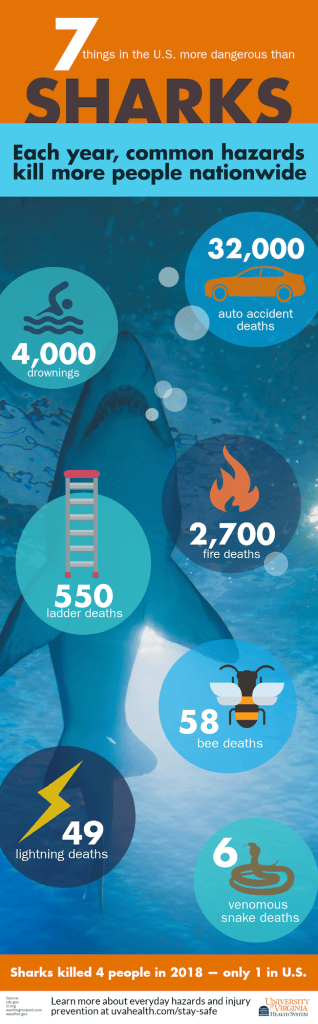
Most shark bites that do occur are accidents. A shark mistakes a surfboard or splashing feet for prey. Once it realizes the mistake, the shark usually swims away. Unfortunately, the media loves to hype these rare incidents because fear gets clicks. Movies like Jaws and countless sensationalized news reports have done lasting damage to the reputation of sharks.
But the data is clear: sharks are not out to get us. In fact, considering how many millions of people swim, surf, and dive in the ocean every year, it’s remarkable how few encounters ever occur. If sharks truly saw humans as prey, the numbers would be much, much higher.
What We Can Do to Help
If we want to keep our oceans strong, we need to protect sharks. Overfishing, bycatch, and habitat loss are pushing many species toward extinction. Shark finning, which is the practice of cutting off fins and discarding the body, is especially devastating. Tens of millions of sharks are killed each year just for their fins, often to be used in shark fin soup.
The good news is that solutions exist. Marine reserves, stronger fisheries management, and bans on finning can all make a huge difference. Some countries, like Palau, have declared their entire waters as shark sanctuaries. International agreements such as CITES (Convention on International Trade in Endangered Species) are also beginning to regulate the trade of certain shark species.
On a personal level, spreading awareness and supporting conservation groups also helps. Even small actions like refusing to purchase products made from sharks, choosing sustainable seafood, and sharing accurate information about sharks with friends and family can create change. Changing the story we tell about sharks is part of the solution too. If more people understood the truth, there would be greater support for protecting them.
The Bottom Line
Sharks are not villains. They are guardians of the sea. They keep ecosystems balanced, strengthen reefs, and even support human economies. They are far more valuable alive than dead, and they pose almost no real danger to us.
So next time you see a headline about sharks, take a second to question it. The ocean cannot function without these animals, and neither can we. Protecting sharks is not just about saving one species. It is about protecting our coasts, our fisheries, and our future.
It’s time to give sharks a second look. They are not monsters. They are the ocean’s bodyguards and they deserve better.
Work Cited
“Sharks.” The American Biology Teacher, vol. 82, no. 9, 2021, pp. 643–643, https://doi.org/10.1525/abt.2020.82.9.643c.
Sulikowski, James. “Fishing industry.” World Book Advanced, 2025,
http://www.worldbookonline.com/advanced/article?id=ar198740. Accessed 5 Oct. 2025.
Gallagher, Austin J., and Neil Hammerschlag. “Global Shark Movement Patterns: Implications for Conservation.” Bulletin of Marine Science, vol. 87, no. 4, 2011, pp. 533–557.
Huveneers, Charlie, et al. “The Economic Value of Shark-Diving Tourism in Australia.” Marine Policy, vol. 67, 2016, pp. 10–18.
National Oceanic and Atmospheric Administration (NOAA). “Why Sharks Matter.” NOAA Fisheries, 2023, http://www.fisheries.noaa.gov/feature-story/why-sharks-matter.
Roff, George, et al. “The Ecological Role of Sharks on Coral Reefs.” Trends in Ecology & Evolution, vol. 31, no. 5, 2016, pp. 395–407.
International Shark Attack File (ISAF). “Shark Attack Statistics.” Florida Museum of Natural History, 2023, http://www.floridamuseum.ufl.edu/shark-attacks.


Leave a Reply